

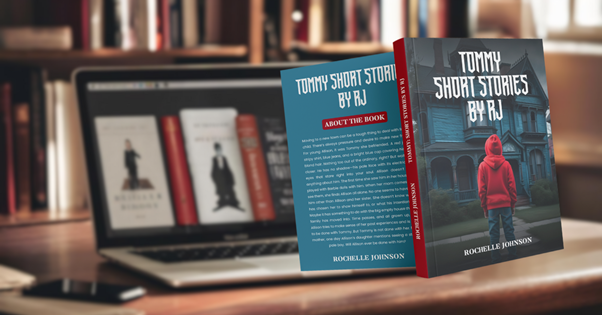
When I first began writing mysteries, I learned something important. Readers do not fall in love with plots. They fall in love with tension, uncertainty, and the thrill of trying to understand the human mind. That is why I am drawn to writing psychological mystery stories that explore fear, secrets, and the small decisions that push ordinary people toward extraordinary consequences.
Every story I write, carries this same intention. I want you to question motives, feel the emotional weight of clues, and follow characters who feel real enough to touch. If you enjoy unraveling puzzles that blur the line between truth and perception, then you already understand why this genre is so addictive.
In this blog, I want to help readers understand what makes psychological mysteries so gripping, why they leave a lasting impact, and how my own short stories reflect the depth and complexity of the genre.
Table of Contents
- Why Psychological Mystery Stories Hook Readers So Deeply
- How I Create the “Clues to Chaos” Experience in My Stories
- Why Readers Keep Coming Back to This Genre
- The Power of Emotion in Solving a Mystery
- My Mission as a Writer
- FAQs
- Ready to Dive Deeper into Unforgettable Mysteries
Why Psychological Mystery Stories Hook Readers So Deeply
Mystery has always been one of the most popular genres, but psychological mysteries have a different pull. They go beyond the crime. They examine the mind behind it. Instead of relying only on external clues, these stories invite you to step inside emotional conflicts, personal struggles, and the hidden fears of every character involved.
Here are a few reasons readers find this style of storytelling irresistible.
- The human mind is a mystery by itself
Every person has a private world of thoughts and motivations. Psychological mysteries tap directly into this reality. As a writer, I explore not only who committed the action, but why they made the choice. That internal journey is often more fascinating than the final reveal.
- You become the detective alongside the narrator
These stories make readers active participants. You feel the confusion, misdirection, subtle warnings, and shifting emotions. You know just enough to stay intrigued, but never enough to predict the full truth. That balance creates a natural addiction to finding answers.
- Suspense grows from uncertainty, not violence
Some readers believe mysteries must involve action or danger on every page. Psychological mysteries prove otherwise. Tension builds from what is not said. Clues appear inside conversations, in a character’s behavior, or in a memory that does not fit. As a writer, this allows me to create deeper emotional suspense.
How I Create the “Clues to Chaos” Experience in My Stories
When I develop a mystery, I focus on emotional layers first. I want every character to have hidden fears or desires that shape the way they act. Below are a few techniques I use to build suspense that feels intimate and realistic.
- Character driven storytelling
I explore a character’s past, relationships, and emotional triggers. These details become quiet clues that guide readers toward the truth. This approach also helps you feel connected to the characters, even when they make flawed decisions.
- Unreliable perceptions
Not every narrator tells the full truth. Sometimes they cannot see their situation clearly. Sometimes they misinterpret what they observe. By weaving perception with misdirection, I encourage readers to question every assumption.
- Slow rising tension
I allow suspense to grow gradually. Instead of revealing answers quickly, I build small shifts in mood, unusual interactions, or subtle warnings. These moments accumulate until the final revelation feels both surprising and earned.
- Emotional conflict as a clue
In many of my stories, a character’s emotional struggle functions as a key to solving the larger mystery. Fear, guilt, pride, or insecurity can explain unusual behavior as clearly as any piece of physical evidence.
Why Readers Keep Coming Back to This Genre
Once readers experience the intimate thrill of psychological suspense, they rarely return to lighter mysteries. This genre satisfies the desire to understand how the human mind works in moments of stress, fear, or confusion. It also allows each reader to interpret events differently, making the reading experience personal.
On my website, I write for those who want stories that challenge the way they think. Stories that stay with them long after the final page. Stories that make them reconsider how much of human behavior is shaped by emotion, memory, and buried secrets.
If you enjoy this style of storytelling, my books and short stories were created especially for you.
The Power of Emotion in Solving a Mystery
Mysteries are not only about finding answers. They are about understanding people. When readers feel emotionally pulled toward a character, every new clue feels more meaningful. Emotions also help shape the final impact of the reveal.
Below are a few emotional elements I focus on while writing.
- Fear creates urgency and tension.
- Regret reveals hidden motives.
- Love complicates decisions.
- Shame can hide important truths.
- Hope keeps the story moving forward.
When these emotions collide, characters make choices that lead directly toward chaos. As a reader, you follow them through every shift, trying to understand what pushed them toward their darkest moment.
My Mission as a Writer
I write to engage, to challenge, and to entertain. Whether it is a full-length novel or a short story, I want you to step into a world where every detail matters, every decision has consequences, and every character carries a truth waiting to be uncovered.
If you enjoy mysteries that explore the deeper layers of human behavior, my work is created for you. Through my stories, I invite you to think, feel, analyze, and question everything.
FAQs
Psychological mysteries focus on the motives, emotions, and inner conflicts of characters rather than relying only on physical clues. The suspense comes from understanding how the mind works under pressure and how personal decisions affect the story.
Readers enjoy these stories because they offer emotional depth, unpredictable twists, and a realistic look at human behavior. The tension builds slowly, making each reveal feel satisfying, personal, and memorable.
My stories blend both, but character depth always leads the way. I explore motivations, relationships, and emotional struggles that create natural tension and guide the unfolding mystery.
Not always. Some focus on secrets, lies, memories, or emotional conflicts that shape the central mystery. The suspense grows from human behavior rather than violent events.
I draw inspiration from real human emotions, everyday decisions, and the quiet moments where tension grows. Small actions can lead to powerful consequences, and those moments inspire many of my stories.
I explore the character’s past, motivations, and fears before I write. Understanding these elements makes every reaction feel natural and believable within the unfolding mystery.
Yes. My writing focuses on emotional clarity, steady pacing, and engaging tension, making it enjoyable for both new readers and long time mystery lovers.
I include twists when they serve the story. The goal is to create a reveal that feels surprising but earned, based on clues that were present all along.
My short stories vary in length, but each one delivers a full emotional and suspenseful experience. I focus on strong character development and meaningful resolutions.
Readers can find my books, stories, and updates directly on my website. I share new releases, insights, and ways to connect with the themes and characters in my writing.
Ready to Dive Deeper into Unforgettable Mysteries
If you enjoy deep character exploration, emotional tension, and mysteries that challenge your perception, I invite you to explore my books and stories on rochellejohnsonauthor.com. Every story is crafted to keep you questioning, analyzing, and turning the page long after the final clue falls into place.
